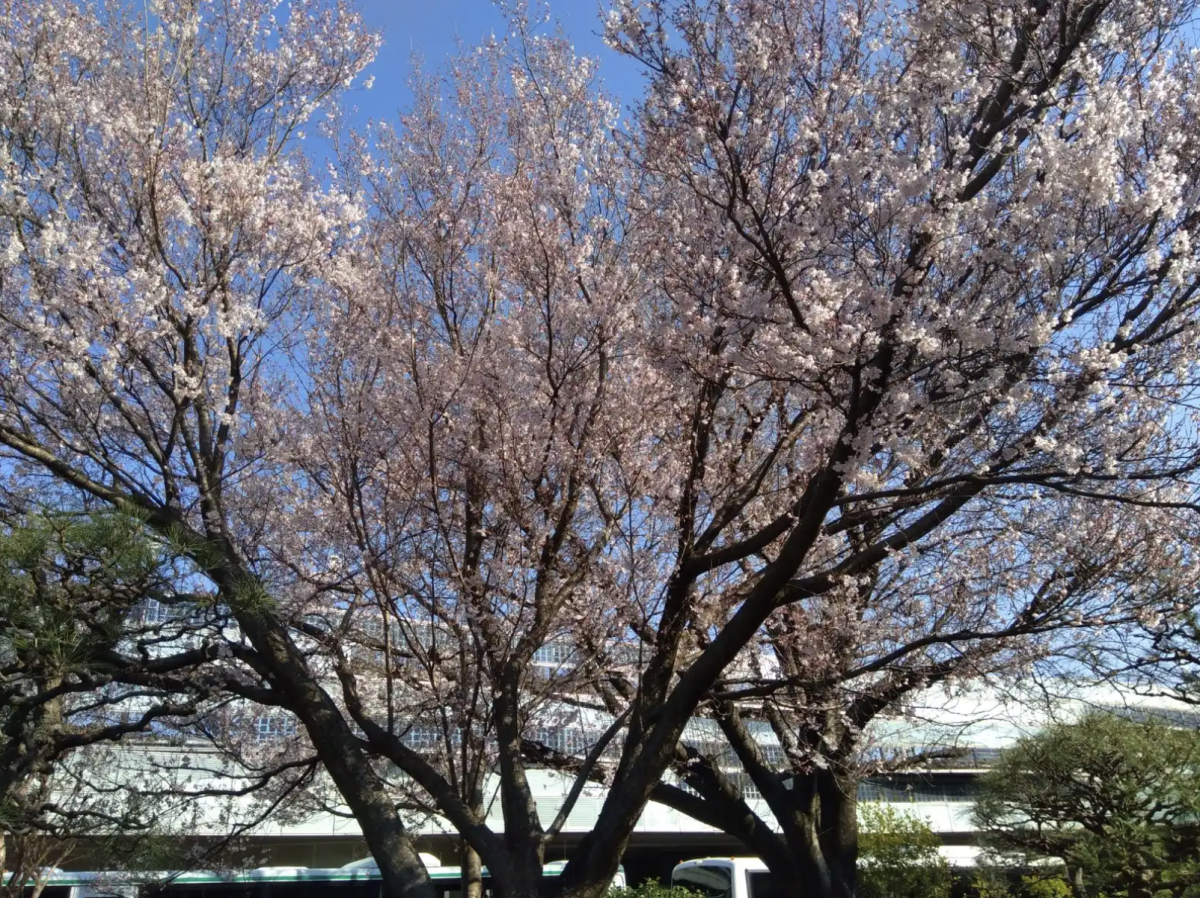
As the rain and strong breezes announce the arrival of spring, the iconic Japanese cherry blossoms are in full bloom. This year, the cherry blossoms in Tokyo were confirmed to have started blooming on the 19th of March, according to the Japan Meteorological Agency, five days earlier than average. However, the cherry blossom season is changing rapidly; Weather News has reported that climate change and global warming have had marked effects on cherry blossoms. But what are these effects, and what do they mean for sakura enthusiasts?
The mechanism by which the sakura blossom forms is crucial to understanding the potential consequences of global warming on cherry blossoms, and the Japan Meteorological Agency breaks the cycle down into three major steps. First, during the summer, the cherry tree forms the flower buds for the next spring. Nextly, these enter a dormant state, and in winter, when the temperatures are sufficiently low (approximately five degrees celcius), the flower buds break dormancy. Finally, when spring comes and temperatures rise, the flower buds grow and bloom.
One consequence of climate change for this cycle of flowering is that cherry blossoms bloom earlier. As Greenpeace notes, cherry blossoms in some parts of Japan are blooming earlier due to higher temperatures caused by climate change, following dormancy breaking. However, another surprising effect is being observed: climate change is also slowing the start of the blooming season and the time between blooming and full bloom.
So, why would the start of the blooming season be delayed? According to Weather News, the explanation is a simple effect of the rising temperatures on the mechanism of blooming explained above; cherry blossoms need the period of cold weather to break dormancy, but when the winters become not cold enough due to global warming, they cannot break dormancy as effectively, slowing the process of breaking dormancy, growing, and blooming.
Next, how does the time between the beginning of blooming and the time of full bloom stretch due to global warming? Weather News explains that the main factors determining the timing of bloom or full bloom are when the flower buds break dormancy and the rate of growth afterward. When temperatures are sufficiently low, most flower buds break dormancy at about the same time, causing them to all bloom at a similar time, even accounting for individual differences in growth rate.
However, when winter temperatures are high enough to be at the threshold between breaking dormancy and not, it can cause differences in when the flower buds break dormancy. This accentuates differences in growth rate and causes cherry blossoms to bloom over a longer period, lengthening the time to full bloom. Furthermore, this pattern of blooming reduces the likelihood of seeing most flowers bloom together, as the earlier flowers fall before the later ones.
The risk can be even more pronounced in warmer regions. Weather News reports that a simulation of cherry blossom blooming in 2100, under a scenario of global warming, showed areas in southern Japan where cherry blossoms would not reach full bloom, or in some areas would not bloom at all.
As temperatures rise and disrupt the blooming cycle, global warming now threatens the cherry blossoms, which have adorned Japan’s springs for many years. It is crucial that we remember the destructive power of global warming through its effects on various aspects of our lives, and strive to protect the environment.