At the ASIJ Human Rights Club, we’re currently investigating how immigration policies impact accessibility to education. Through my research on global citizenship, I interviewed Teresa Chang, a U.S. Embassy officer working in American Citizen Services in Japan.
For many Americans living abroad, voting can feel distant and complicated. Yet, according to a U.S. Embassy officer in Japan, overseas citizens have the right to vote, and that right is protected by federal law. So in our interview, we discussed how overseas voting works, why turnout varies, and how younger generations are currently shaping civic engagement.
The Biggest Misconception: “I Didn’t Know I Could Vote”
One common misconception about overseas voting is that Americans living abroad either can’t vote or that the process is too complicated to pursue.
Chang explained that “There are millions of Americans overseas who don’t fully understand how to vote from abroad.”
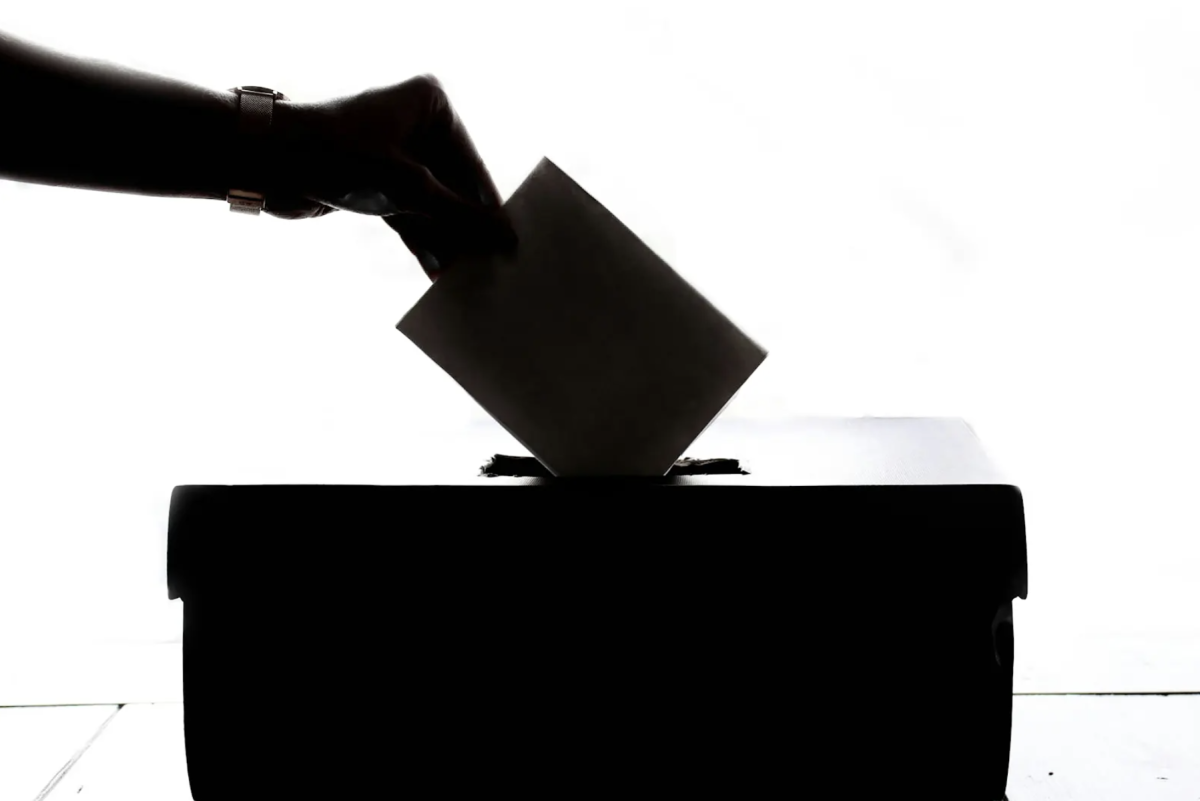
Under the Uniformed and Overseas Citizens Absentee Voting Act (UOCAVA) passed in 1986, American citizens living outside the United States are granted the right to vote in federal elections. States are required to send registered overseas voters a ballot at least 45 days before an election. Even if a ballot does not arrive, federal backup ballots are available.
However, voting abroad can still feel intimidating. Registration must be completed in advance, ballots are typically paper-based, and the rules vary depending on where a voter last resided in the United States.
How the US Embassy Helps
Many overseas voters also don’t realize that U.S. embassies and consulates provide assistance. While they do not hold elections themselves, they help facilitate the process.
Embassies allow citizens to drop off sealed ballots, which are then returned to the United States via diplomatic mail at no cost. This service removes mailing fees and ensures ballots enter the U.S. postal system properly.
Despite these services, turnout among overseas citizens remains much lower than domestic participation.
Why Turnout Varies
Presidential elections receive significant media attention and dominate social media feeds. In contrast, midterm and local elections often receive far less visibility.
Chang described this difference as partly a matter of “branding.” When an election is highly publicized, people are more aware and more likely to participate. But when elections focus on state or local issues, it becomes harder to stay informed.
“If you’re living in Japan but voting in Virginia,” Chang noted, “you may not feel as connected to what’s happening there.”
People tend to vote when they feel personally connected to the issues and believe their voice matters.
Gen Z and Political Engagement
Compared to previous generations, Gen Z has grown up immersed in the internet and social media. Political content is more accessible than ever.
Teresa Chang expressed hope that this increased exposure translates into stronger engagement. “People vote when they care, they vote when they feel their voice truly matters.
However, social media poses challenges. Information is devoured quickly, and complex systems like overseas voting are hard to explain in short videos or posts. If information isn’t immediate and clear, many people scroll past it.
Simplifying civic information without oversimplifying it is one of the biggest challenges facing modern democracies.
Voting Matters
One of the strongest points made during the interview was that voting affects more than just major headlines. Laws passed by elected officials shape everyday life, from environmental policies to technology standards. Even something as simple as phone charging cables shifting to USB-C stems from legislation and regulatory decisions.
“Everything affects you,” Chang explained. “If you choose not to exercise that right, you’re basically saying, ‘Somebody else take the wheel.'”
Voting is both a right and a responsibility. For Americans overseas, that right remains protected, but awareness and motivation are critical factors.
A Global Perspective
Not all countries protect overseas voting in the same way. Some limit voting rights after citizens have lived abroad for a certain period. The United States does not impose such restrictions in federal elections.
As conversations increasingly move online and younger generations redefine civic engagement, one message remains clear: geography does not erase citizenship. Whether living in Boston or Tokyo, American citizens retain the right to be heard.