
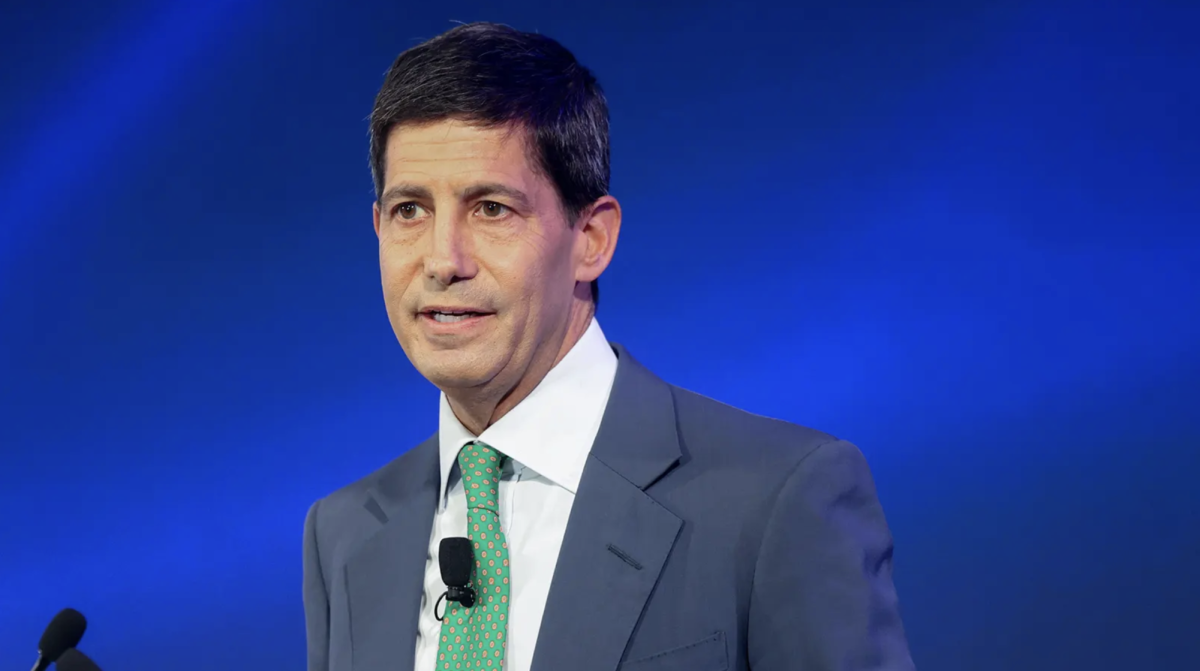
Attention in the financial community is currently focused on the future leadership of the US Federal Reserve, as Kevin Warsh—a former member of the Federal Reserve Board of Governors—has been named by President Trump as his candidate for Fed chair. At this stage, however, the US Senate has not yet approved Warsh, a constitutional requirement to take office.
Born in 1970, Warsh graduated from Stanford University in 1992 with a Bachelor of Arts in public policy and later earned a Juris Doctor from Harvard Law School. After completing his studies, he joined Morgan Stanley, an investment bank, before serving in multiple economic policy roles at the White House throughout former President George W. Bush’s administration. During Bush’s second term, at the age of just 35, Warsh was appointed to the Federal Reserve Board of Governors, making him one of the youngest governors in the Fed’s history. During his tenure, the 2008 Financial Crisis broke out following the collapse of Lehman Brothers, which, prior to its collapse, was the 4th largest investment bank in the United States. Throughout the crisis, Warsh worked closely with then-Fed Chair Ben Bernanke, coordinating crisis remediation plans between the government, financial regulators, and Wall Street.
Warsh is known for taking a cautious stance on monetary policy. He has argued that the Federal Reserve should reduce the large amount of assets it holds, a policy known as shrinking the Fed’s balance sheet. However, some economists note that this approach could trigger a rise in long-term interest rates, which may negatively affect housing and borrowing costs. Warsh is also a critic of the economic models and forecasts the Federal Reserve currently uses, contending that they can be overly rigid and may weaken the central bank’s ability to respond effectively to changing economic conditions. If he becomes chair, markets will wait to see if and how the Fed changes the way it assesses economic conditions and implements monetary policy under Warsh’s governance.
Another issue that has come into question amid Warsh’s nomination is the Federal Reserve’s independence. Because the Fed plays a critical role in the American economy, balancing inflation control with employment and economic growth, the Fed is expected to base its decisions on economic data rather than political influence. Given that President Trump has, to little avail, publicly urged the Fed to dramatically lower interest rates, breaking with the long-standing practice of US presidents to refrain from such interference, Warsh’s appointment could put the Fed’s independence in jeopardy. With Warsh so fervently backed by Trump and seemingly expected to carry out Trump’s interest rate agenda, economists have warned that such political sway for short-term electoral gain could have long-term consequences, undermining both market confidence and stability.
Kevin Warsh’s candidacy and confirmation process are likely to remain under close scrutiny, as market participants analyze his every new speech and interview to gauge whether or not he will be tied to President Trump’s agenda. As Warsh’s confirmation process unfolds, the question is no longer only who will lead the Federal Reserve, but whether the institution can preserve its credibility and independence under mounting political pressure.
Reiji • Mar 13, 2026 at 7:29 AM
Very insightful