Tensions over immigration enforcement in the US have reached a boiling point after two fatal shootings in Minneapolis and a wave of aggressive enforcement actions across America, leading to widespread backlash against US Border Patrol agents and Immigration and Customs Enforcement (ICE).
The most recent tragedy was the death of 37-year-old American citizen and critical care nurse Alex Pretti, who was shot by federal agents on January 24th. He died three weeks after Renee Good, another American citizen, was killed just blocks away. Both incidents have led to protests across the country and legal battles between federal and state authorities.
Conflicting Accounts and Social Media Uprising
According to Secretary of Homeland Security Kristi Noem, Pretti interfered with an immigration operation, was brandishing a firearm, and refused to be disarmed; thus, the shooting was an act of self-defense. Yet video footage that authorities and journalists have seen seems to refute her assertions. Pretti is seen in the footage being detained and sprayed with pepper while holding a phone and carrying a holstered firearm, but not brandishing it. Pretti had a permit to carry and legally owned this gun, and Minnesota officials have additionally determined that there is no concrete proof he displayed the weapon during the situation.
Nationwide Response
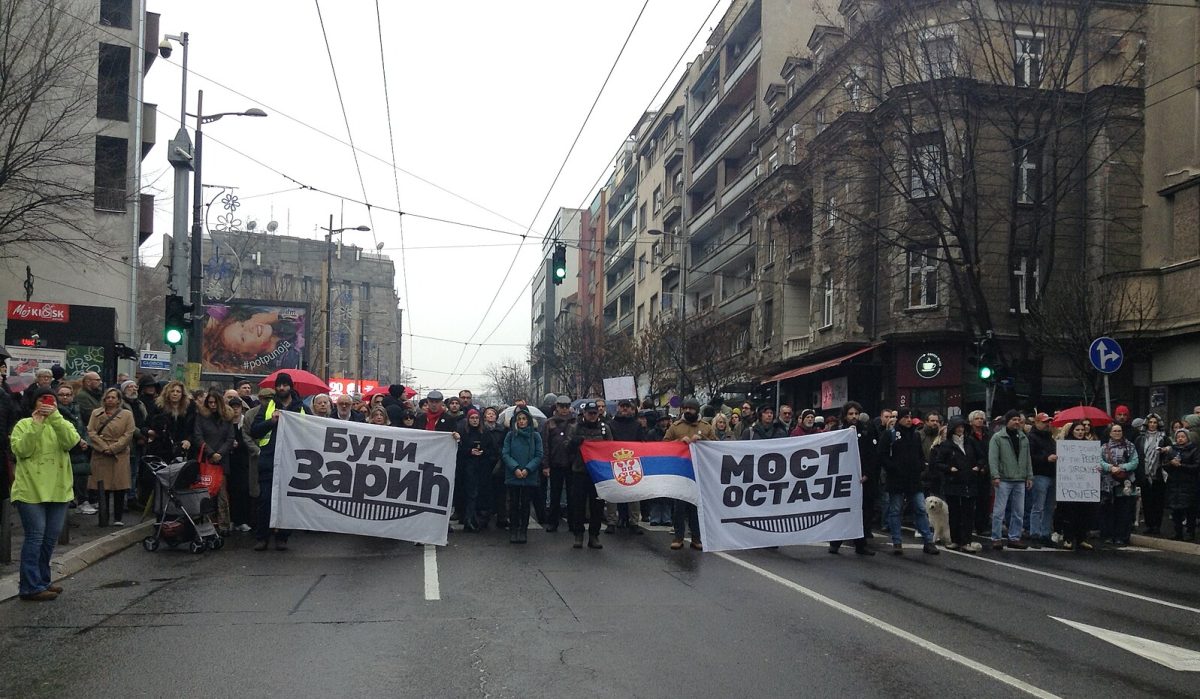
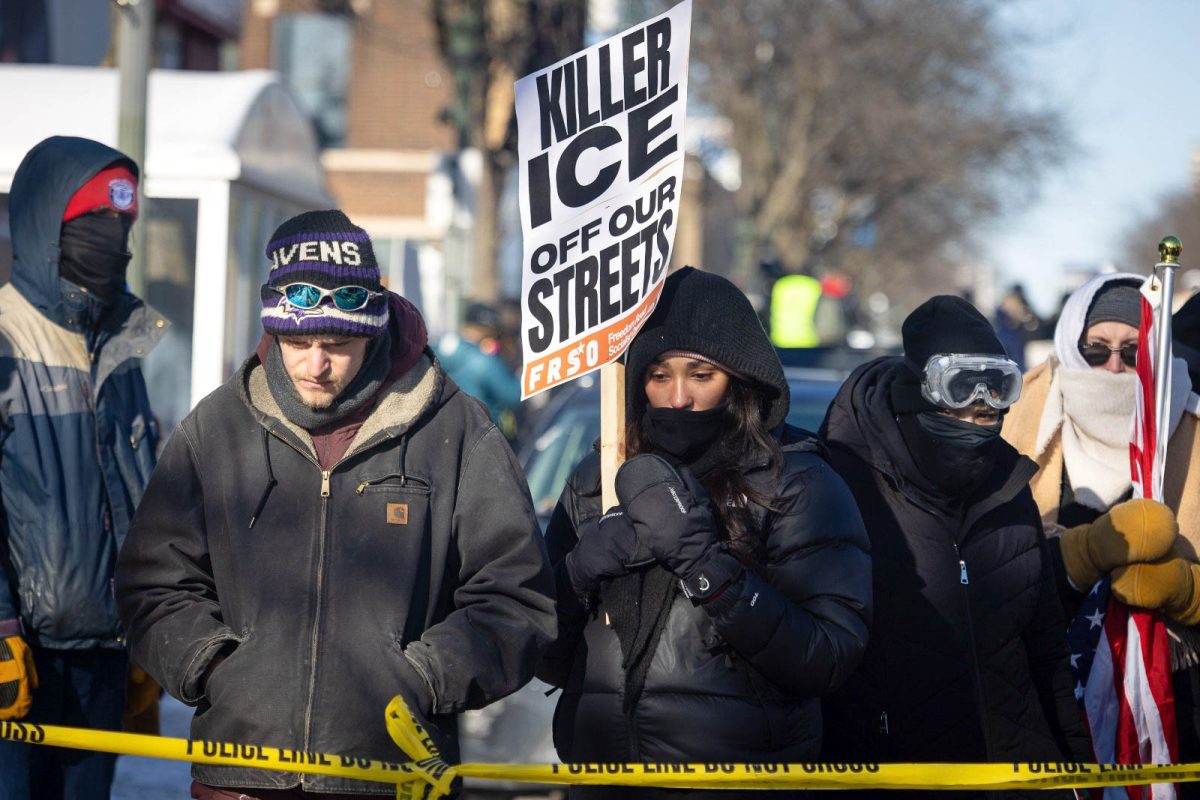
Despite Minnesota’s bitterly cold winter, Minneapolis has seen nightly protests in response to enforcement actions, where protestors have chanted “ICE out now” and demanded justice for the fatal killings, pressuring federal officials to leave the city. Other US cities, including New York, Chicago, Los Angeles, and San Francisco, have seen similar rallies, with an anti-ICE national shutdown protest scheduled for this Friday.
Reports of immigration officers holding children, notably a widely condemned case in which a five-year-old child was allegedly used as bait to help identify his father during an arrest, have particularly contributed to such community outrage against ICE. These strategies have been described by local authorities and school administrators as extremely unsettling, raising questions about the limits of ICE’s operations.
Many public figures, including Former President Barack Obama, have called the killings of Pretti and Good a basic human rights and civil freedoms concern, stating that the matter is no longer just a political matter. He added that, regardless of party affiliation, the situation required accountability and further warned that fundamental American principles were in jeopardy, imploring fellow citizens to “speak out against injustice.”
Altogether, Minneapolis has emerged as the center of attention in a broader discussion of immigration and human rights. This discussion now extends well beyond Minnesota’s borders, as both nationwide immigration enforcement and anti-ICE protests continue to intensify.