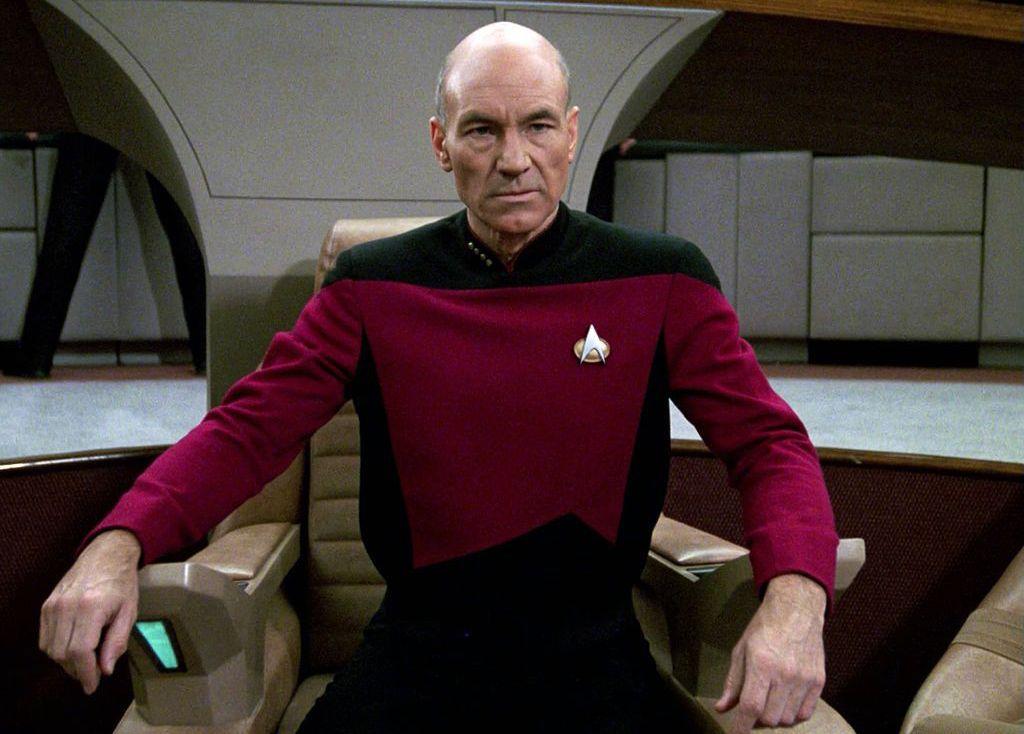
Sir Patrick Stewart, the Yorkshire-born Shakespearean actor who became one of science fiction’s most beloved faces as Captain Jean-Luc Picard of Star Trek: The Next Generation and Professor Charles Xavier of the X-Men films, died on Wednesday, October 28, 2026, at his home in Los Angeles. He was 86 years old.
His longtime spokesperson, Kelly Bush Novak, announced the news the following day, saying he died in the care of his wife, Sunny Ozell, after a “brief and poignant journey” battling Alzheimer’s disease and Lewy body dementia. Stewart had not spoken publicly about either diagnosis before his death, and he kept working well into his eighties.
A Hard Start
Stewart was born on July 13, 1940, in Mirfield, West Yorkshire, and grew up in a working-class home where his father, a soldier, was violent towards his mother. Only decades later did Stewart learn that his father had been living with untreated shell shock, what we now call post-traumatic stress disorder, from his service in the Second World War. That discovery would shape much of his advocacy in his later years.
Acting offered him a way out. He left school at 15, working as a reporter on a local paper, and at 17, he won a scholarship to the Bristol Old Vic Theatre School. In 1966, he joined the Royal Shakespeare Company, the start of a stage career that would span six decades.
The early years of Stewart’s career were spent on the road and in repertory. In 1961, he toured Australia, New Zealand, and South America with the Old Vic company, opposite Vivien Leigh. With the Royal Shakespeare Company he went on to appear in 60 more productions, and he also worked at the National Theatre in London. In 1971 he made his Broadway debut as Snout in Peter Brook’s A Midsummer Night’s Dream.
A Stage Actor First
Long before he commanded a starship, Stewart was a fixture of British classical theatre. He won an Olivier Award in 1972 for his performance as Enobarbus in Anthony and Cleopatra, and another nearly three decades later for playing Claudius opposite David Tennant’s Hamlet. His brooding Macbeth, directed by Rupert Goold, moved Shakespeare’s tragedy into a cold, Soviet-style police state, with Stewart’s character growing more paranoid scene by scene. It opened in 2007 at the small Chichester Festival Theatre and was such a big success that it transferred to the bigger stages: first London’s West End, then Broadway in 2008, where it earned him a Tony nomination for Best Actor.
He also made a Christmas classic his own. He adapted Charles Dickens’ A Christmas Carol and first performed it in 1988, playing every role alone. The one-man show became a holiday tradition for people on both sides of the Atlantic and won him a Drama Desk Award, and he revived it many times. In 1999, he played Scrooge once more, in a television film of the story.
His work also brought formal honours. He was knighted for services to drama in 2010, and from 2004 to 2015 he served as a chancellor of the University of Huddersfield, close to the town where he grew up.
Making it So
In 1987, Stewart was cast as Captain Jean-Luc Picard in Star Trek: The Next Generation. At the time, it looked like a gamble. Some fans doubted that a British Shakespearean dramatic actor was the right choice to lead the follow-up to the original series, and Stewart himself was told that the show might not last an entire season.
It lasted far longer. The Next Generation ran for seven seasons, followed by four feature films, and Stewart’s Picard became a new kind of television hero.
His order “make it so” became one of the show’s most famous lines, and decades later, he borrowed it for the title of his memoir.
In 2020, at age 79, he returned to the role in the streaming series Star Trek: Picard, which followed the captain into old age, haunted by loss but still insisting on decency.
In the early days of the COVID pandemic, he read a Shakespeare sonnet a day online, eventually working through all 154, and in 2023 he published his memoir, Making It So.
Professor X
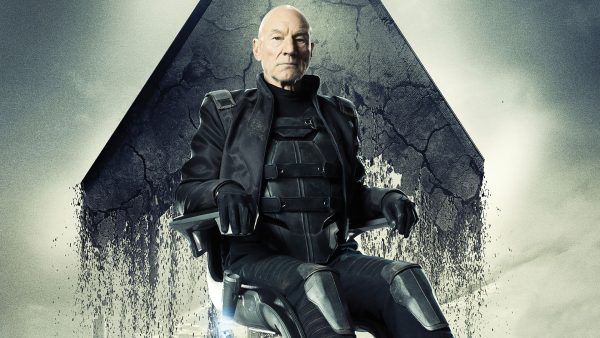
Stewart found his second defining role in film in 2000, when director Bryan Singer cast him in X-Men as Charles Xavier, the telepathic founder of a school for mutants. He went on to play Xavier in X2, X-Men: The Last Stand, X-Men: Days of Future Past, and Logan. In the last film, released in 2017, his character dies.
Death did not keep Xavier away for long. Stewart returned as an alternate-universe version of him in Doctor Strange in the Multiverse of Madness (2022), and he reprised the role once more for Avengers: Doomsday, due in theatres in December 2026. It will now be one of his last screen appearances.
Marvel Studios remembered him as a “singular talent, generous collaborator, and a true gentleman.”
The Causes He Carried
Acting was not his only legacy. In the statement announcing his death, his spokesperson, Kelly Bush Novak, said his achievements on stage and screen were matched by his “philanthropy and activism,” naming human rights, survivors of domestic violence, refugees, veterans’ mental health, and animal welfare among his causes. Several of those grew out of his childhood. He became a patron of Refuge, the UK charity for survivors of domestic violence, and of Combat Stress, which supports veterans’ mental health. In his later years, he and Ozell became devoted foster carers for pitbulls awaiting adoption.
A Captain to the End
Stewart once said his years on Star Trek felt like something close to a ministry, and for many viewers, that is what they were. After his death, Seth MacFarlane wrote that Stewart was one of those icons everyone assumed would always be around. For generations of fans, he was the calm voice on the starship bridge who believed that reason and compassion could win, a belief that will outlast him.