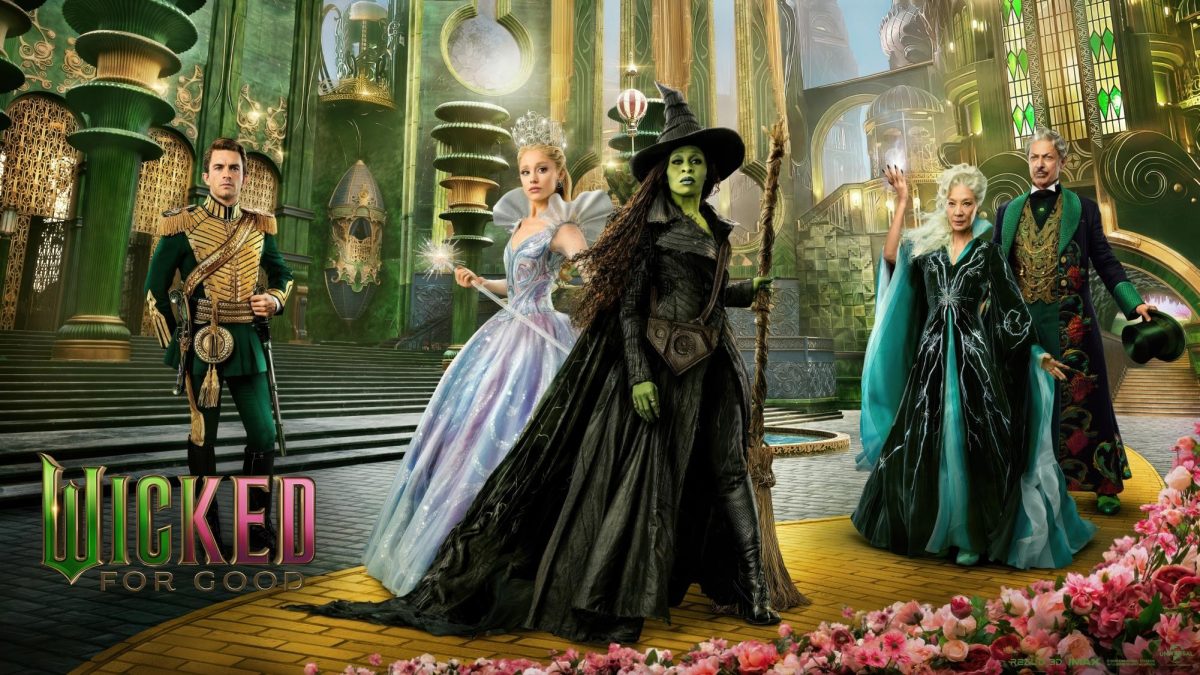
The new Wicked film arrives in a moment when political division, scapegoating, and public distrust feel sharper than ever—which is why its story, told through bright colours and soaring duets by Ariana Grande and Cynthia Erivo, lands with more bite than most audiences would expect. Beneath the spectacle, the film reads like a coded critique of how modern societies decide who belongs, who is feared, and who is allowed to speak.
Most noticeably, Elphaba’s (Cynthia Erivo) greenness becomes a visual shorthand for racialization and the way difference is marked as a threat. In the film, Erivo plays Elphaba with a quiet kind of vigilance—the posture of someone who has learned that the world studies her before it hears her. From her earliest moments onscreen, she is judged and controlled by institutions long before she has a chance to define herself. Her “danger” is not a fact, but a narrative constructed around her, which feels uncomfortably close to the way contemporary politics racializes entire groups to justify oversurveillance, exclusion, and state power.
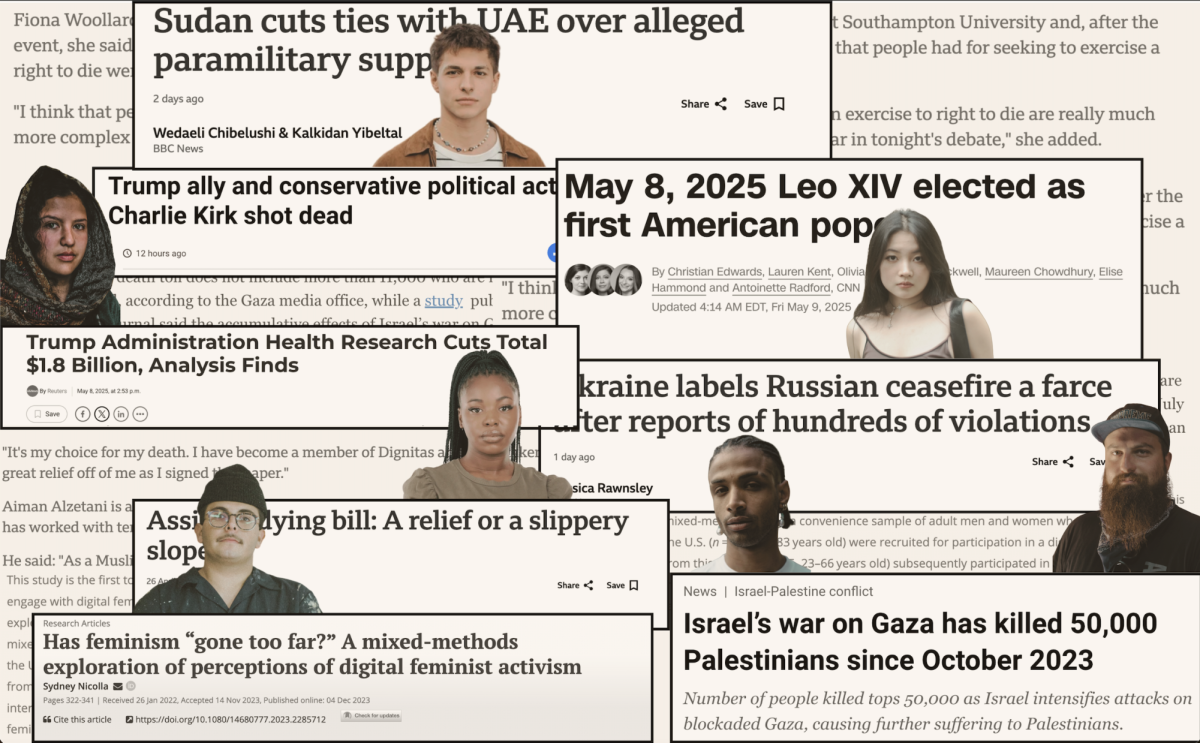
The film develops this metaphor through the treatment of Animals, who lose their ability to speak as the government tightens its control. Their silence, more than just a fantasy curse, reflects the way marginalized communities today are stripped of political voice through socioeconomic pressures. Voter ID laws, book bans, anti-protest measures, and attacks on academic freedom all operate within the same logic: restricting the speech of those who threaten the dominant narrative. In Wicked, the moment the Animals lose their ability to speak, the government gains its loudest applause. In our own reality, silence is often mistaken for stability and unity.
Perhaps the most modern element of the film is the machinery of propaganda that turns Elphaba into a public enemy. The Wizard’s government doesn’t punish her because she is dangerous; they define her as dangerous so they can punish her. Posters, rumours, the powerful against the different: it all creates a version of Elphaba that the public learns to fear without ever even knowing her. This mirrors a political era shaped by misinformation campaigns, algorithmic amplification, and the speed at which a rumour can become a belief. The film’s most unsettling message is how easily an individual can be vilified once a system decides they are useful as a symbol.
Ariana Grande’s Glinda adds another modern layer: the performance of goodness. Her character floats in a glittering cloud of popularity and privilege, critiquing how public figures today can craft polished brands of kindness while benefitting from systems that harm others. Glinda’s complicity looks more like silence and choosing comfort over truth than vocal and overt support. In this way, the film comments on contemporary bystander politics, a phenomenon in which people claim moral high ground while avoiding moral risk.
What makes the new Wicked film politically sharp is that it never labels itself as political. It doesn’t announce its commentary. Instead, it lets audiences recognise the way institutions manufacture villains, the way difference is weaponised, the way silence is rewarded, and the way friendship fractures under pressure from systems that profit from division. The story has always been about who is labelled as “wicked”, but in 2025, that question carries new urgency. By the time the final notes of “For Good” swell on screen, the film is asking its audience to consider how a society decides who is dangerous and who is believed—and whether we’ve become too comfortable accepting answers without question.