
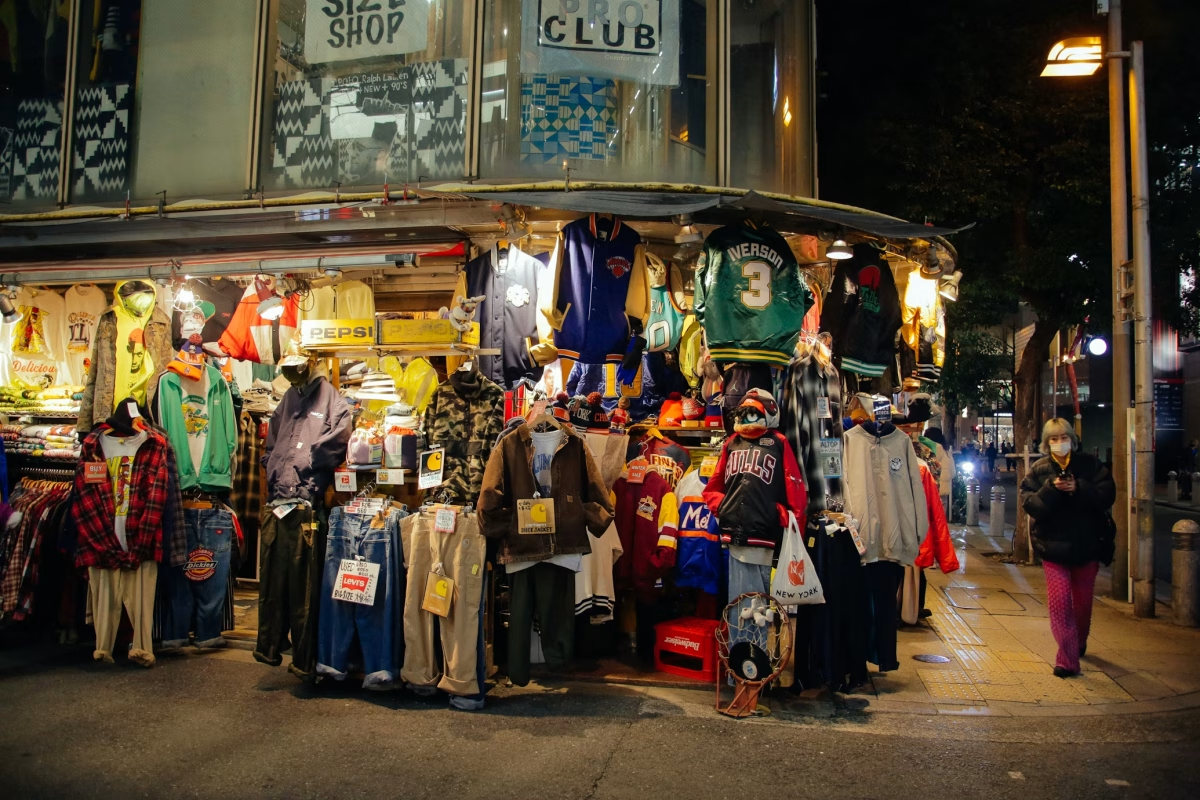
thrifting (noun) /ˈθrɪf.tɪŋ/ the act of looking for or buying goods from thrift stores or other places that sell used items such as clothes, books, or furniture
Not long ago, thrifting carried a reputation for being a cheap and economical practice reserved for those who couldn’t afford to shop at mainstream clothing stores. This stigma largely stemmed from the belief that secondhand clothing was a sign of financial hardship and poor quality, making it socially undesirable. Nowadays, however, it’s common to see groups of Gen-Z shoppers choose a thrift store over Zara or H&M, browse Goodwill with friends, or compare their latest vintage finds—despite the stigma that thrifting once held.
These shopping scenes capture the generational shift in attitudes toward secondhand shopping. Gen Z accounts for over 40% of global thrifting consumers, and members of the generation tend to view secondhand fashion in an especially positive light. This shift is further evidenced by the increased popularity of the thrifting market: in the US, the secondhand apparel market has grown from $28 billion in 2019 to $49 billion in 2024 and is projected to reach $56 billion this year.
But what exactly caused this industry’s rapid growth, and why is Gen-Z specifically driving it? This development can be attributed to three main reasons: thrifting’s relative affordability, increased visibility online, and a desire to make environmentally conscious choices.
It probably doesn’t come as a surprise that one of the major reasons is affordability. According to Talker Research, 72% of shoppers say they thrift to save money, and 51% enjoy the thrill of finding a good deal. In a world with an increased cost of living and rising financial stress, especially for young people, thrifting can be a way to reduce spending on “want” items, such as unique, vintage clothing or vinyl records—items that bring pleasure and happiness but aren’t necessarily essential to a consumer’s daily life. As a result, members of Generation Z have adopted thrifting as a means to tighten their budgets amid a global cost-of-living crisis.
Social media exposure is another major force driving the growth of thrifting. Thrift finds, styling tips, and shopping hauls can be found across platforms like Instagram, TikTok, and Pinterest. On Instagram alone, there are 14.6 million posts categorized under #thrifting (as of November 9th, 2025). Part of this popularity stems from a difference in trust: Gen-Z places high trust in influencers, especially when they seem more personally connected with the audience, while millennials, in contrast, are “much more skeptical of influencers’ opinions”. This greater level of trust makes Gen-Z more willing to adopt influencers’ shopping habits, including thrifting.
The popularity of online second-hand reselling apps has also grown significantly. Notably, use of the platform Depop has surged among Gen-Z. Not only does Depop enable consumers to shop vintage at their convenience, but its user experience also mirrors social media: users can like listings, follow sellers, and create personal profiles, making the platform more engaging for Gen-Z users.
At the same time, Gen-Z’s strong commitment to sustainability reinforces this trend. The most well-known environmental benefit is the reduction of textile and clothing waste in landfills; however, thrifting can also reduce chemical pollution and conserve water used in the textile manufacturing process. In fact, buying second-hand instead of new can reduce climate change and cumulative energy demand by up to 42% per use. Many young people see thrifting as a way to push back against fast fashion and reduce waste. Thrifting ultimately proves to be a win-win for consumers, as they can find unique items while making an environmentally conscious choice.
Despite longstanding stigma, thrift shopping has managed to surge in popularity among Gen-Z due to concerns of affordability, increased visibility on social media, and a generational inclination towards sustainable decision-making. Its growth illustrates how Generation Z has developed personal trends and habits within its own communities and how these can have a broader impact on society and its industries.